

REGENERATIVE CELL
THERAPY
REGENERATIVE CELL
THERAPY
REGENERATIVE
CELL THERAPY
What is Regenerative Cell Therapy?
When people think of regenerative medicine, it is often associated with stem cells. Stem cell therapy is revolutionizing the field, but should stem cells get all the credit? A common misconception is that stem cells are the only component needed for regenerative cell therapy and that a higher cell count is better. However, some cells serve as vehicles to deliver signaling molecules. Equally important are the “dream team” components of regenerative medicine: growth factors, cytokines, collagens, exosomes, proteins, hyaluronic acids, and peptides that enhance the body’s natural healing and regenerative abilities.
The most important thing when considering this type of treatment is where did the stem cells come from, and what kind are they.
Stem cells are often called the body’s “building blocks” because they can potentially develop into any tissue or organ.
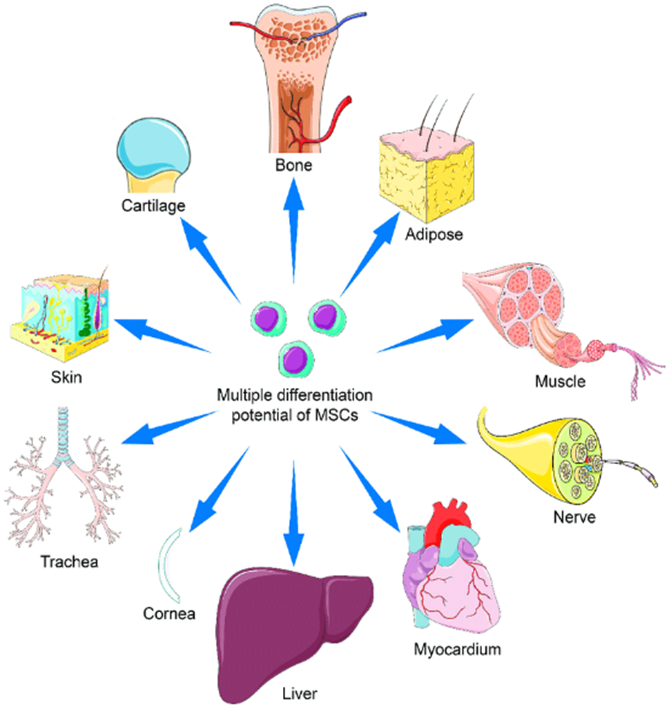
Mesenchymal stem cells (MSCs) are pluripotent cells that can differentiate into many cell types, including bone, fat, cartilage, muscle, and skin. MSCs were initially isolated from bone marrow samples, but more recently they have been found in many other types of tissue, resulting in a heterogeneous and abundant population of cells with high differentiation potential. The possible use of MSCs in treating various diseases. MSCs also have the capacity to differentiate into other mesoderm-derived tissues such as myocytes (muscle cells), which express desmin, β-myosin heavy chain, α-cardiac actin, and other muscle cell markers.
Mesenchymal Stem Cells
What are mesenchymal stem cells?
Mesenchymal stem cells (MSCs) are adult stem cells with self-renewal, immunomodulatory, anti-inflammatory, signaling, and differentiation properties. They can divide and develop into multiple specialized cell types present in specific tissues or organs.
Studies have shown that placental-derived MSCs are better at proliferating, living, and differentiating than bone marrow-derived MSCs.
Not only does this matrix contain mesenchymal stem cells, but it also comprises exosomes, collagens, growth factors and other key biologic components. This matrix creates a natural micro environment to ensure the highest viability and functionality.
Our mesenchymal stems have several key advantages for the best regenerative treatment:
- Highest number of active live cells, HCT/P.
- Highly qualified female donors.
- Highest level screening and testing of tissue and processing re-agents.
- State-of-the-art FDA registered processing facility. #1 in the world last 3 years
Our Cell Therapy Products:
Wharton’s Jelly-Based Regenerative Properties
Wharton’s Jelly is a gelatinous tissue from the umbilical cord that provides structural support, growth factors, and extracellular vesicles essential to fetal and maternal health. Using proprietary technology, scientists extract Wharton’s Jelly while maintaining the biological activity of soluble growth factors, including proteins, RNA, mRNA, lipids, and carbohydrates. These components are essential for tissue homeostasis, growth, and repair.
Regenerative Components in Wharton’s Jelly:
- Higher rate of cell proliferation
- Low immunogenicity, reducing the risk of immune rejection
- Contains hyaluronic acid, proteins, amino acids, collagens, and elastin

Regen EV
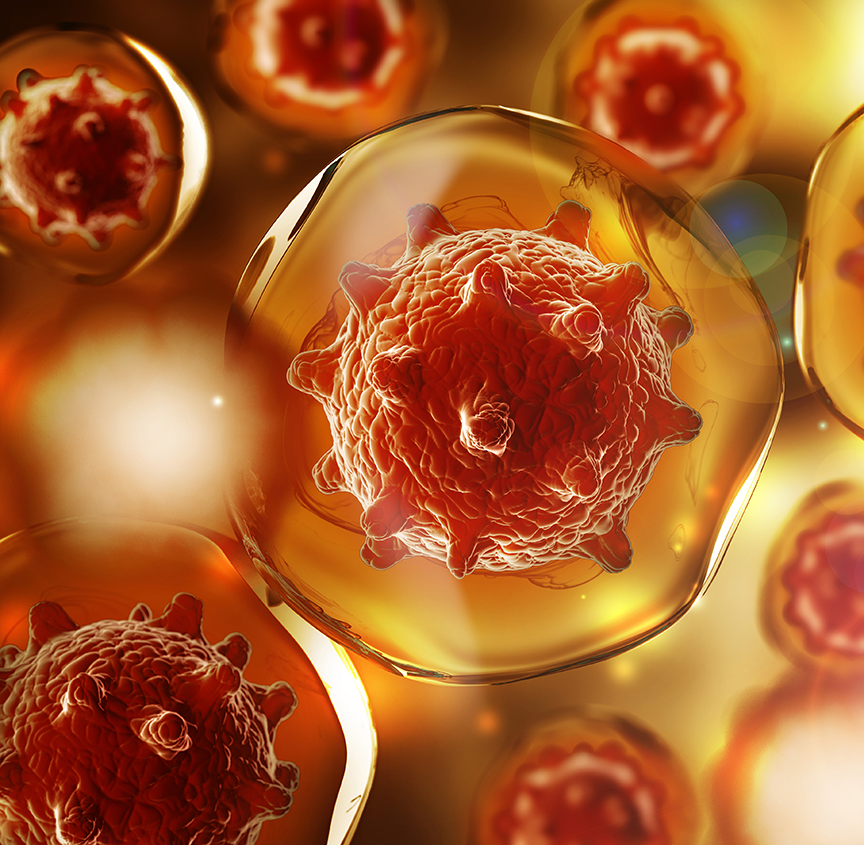
Regen EV contains small, membrane-bound extracellular vesicles (EVs) released by the developing fetus, placenta, and mother into the amniotic fluid. EVs primarily act in cell-to-cell communication, assisting in the natural regenerative process. Regen EV is twice sterile filtered, maintaining the biological integrity of RNAs.
Repo+
Repo+ is an innovative extracellular vesicle product derived from Wharton’s Jelly, offering advanced healing properties. It works as an essential messenger between cells, transferring cellular information that helps direct and guide the repair process.
Restor+
Restor+ is a minimally manipulated allograft derived from the umbilical cord tissue layer of Wharton’s Jelly. It enhances the body’s natural ability to heal by secreting powerful bioactive molecules. Restor+ has a strong anti-inflammatory effect and a higher proliferation rate compared to autologous tissue.
Complete Medical uses only the most effective available stem cells for optimal success. Our products are meticulously harvested from perinatal tissue of healthy human C-section births and minimally manipulated to maintain their functions. Join the Complete Medical patients who have received amazing results through this life-changing regenerative therapy.
Frequently Asked Questions on Stem Cell Therapy:
Where do CM stem cells come from?
Complete Medical sources placenta-derived stem cells from cryopreserved umbilical cord tissues. Donors are identified through participating OB doctors and undergo comprehensive panel testing to determine eligibility. The collection process is painless and poses no threat to the mother or child.
How Does Processing and Testing Work?
Tissues are safely collected at delivery and transported to the processing facility. Products are retested post-processing to ensure the absence of bacterial and fungal pathogens. A cryopreservative is introduced to protect cell viability, and products are sent to a third-party testing facility to ensure sterility.
Safety of Our Products
Complete Medical uses only the most effective available stem cells for optimal success. Our products are meticulously harvested from perinatal tissue of healthy human C-section births and minimally manipulated to maintain their functions. Join the Complete Medical patients who have received amazing results through this life-changing regenerative therapy.
Not all Stem cell therapies are approved by the FDA. Stem cells are not a cure for any condition, disease, or injury. The information provided on this page is not medical advice. It is intended for educational and informational purposes only.
Frequently Asked Questions Stem Cell Therapy & Pure Amniotic Fluid:
Where does Complete Medical Weight Loss & Anti-Aging get their stem cells from?
Our products are accurately harvested from umbilical cord acquired from scheduled cesarean sections, derived solely from full term pre screened and tested pregnancies, and minimally manipulated through a proprietary methodology to preserve its mesenchymal cells, progenitor cells, growth factors, cytokines, extra cellular matrix and other biologics.
Can you give me more information on US-based GMP Manufacturing guidelines?
GMP (Good Manufacturing Practice) guidelines provide a quality assurance framework for manufacturing cell therapy products intended for clinical use. Adhering to GMP ensures the identity, purity, potency and overall quality of the cell product.
What is Purified Amniotic Fluid?
Purified Amniotic Fluid is small, membrane bound extracellular vesicles (EVs) which are released by the developing fetus, placenta, and mother into the amniotic fluid. In simplified terms, they are the fluid of new life.
How is Purified Amniotic Fluid sourced?
The extracellular vesicles are harvested from the amniotic fluid during a full term, healthy Caesarean birth. In standard practice, a small amount of amniotic fluid is drawn and tested for disease. With the qualified mother’s consent, contracted with an AATB-accredited third-party birth tissue collection company to harvest and test a larger amount of amniotic fluid, which would otherwise be wasted.
Are all amniotic tissue products the same?
Amniotic tissue products range greatly in terms of source material, quality of manufacturing, sterilization technique, particle size, protein, RNA, concentration and potential risk of fungal and bacterial infections.
What does Purified Amniotic Fluid contain?
Purified Amniotic Fluid contains RNA, microRNA, proteins and a variety of growth factors. Combined, these can facilitate tissue regeneration and angiogenesis. They regulate inflammation, limit microbial growth and provide immune modulation, all of which are essential components of the healing process.
How many particles does Purified Amniotic Fluid contain?
Each 1 cc vial of Purified Amniotic Fluid contains an average of 250 billion (+/– 100 billion) particles.
Does particle size matter?
Yes, each lot of Purified Amniotic Fluid contains particles between 50 and 150 microns. When an EV product is comprised of particles of 200 microns or larger it contains other EVs, like apoptotic bodies, which may inhibit the regenerative process. Cloudy amniotic products contain substantial apoptotic bodies as well as other material like vernix. It is not possible to sterile filter these products so many are UV-sterilized, which destroys RNA.
Is Purified Amniotic Fluid concentrated or diluted?
No, Purified Amniotic Fluid is produced using “nature’s ratio”. We don’t dilute or concentrate.
How is Purified Amniotic Fluid filtered and sterilized?
Purified Amniotic Fluid is double sterile filtered. Sterility and endotoxin is verified by an independent, third party laboratory.
Where is Purified Amniotic Fluid manufactured?
Purified Amniotic Fluid, and our other pipeline products, are developed at a R&D, the foremost biotechnology incubator in the world. The clinical grade final products are manufactured in our exclusive, brand new, state-of-the-art, c-GMP, ISO-7, FDA-registered cleanroom facility.
Who tests and verifies the technical components of the Purified Amniotic Fluid product?
Each lot of Purified Amniotic Fluid is tested and verified by a third-party laboratory at UF, which identifies and reports the concentration (number of particles), particle size, proteins, growth factors and sterility.
Who tests and verifies the technical components of the Purified Amniotic Fluid product?
Each lot of Purified Amniotic Fluid is tested and verified by a third-party laboratory at UF, which identifies and reports the concentration (number of particles), particle size, proteins, growth factors and sterility.